
Eczema After Bath Time? 4 Simple Ways to Soothe Your Child’s Skin

Eczema after bath time can leave both you and your child feeling frustrated. One moment they’re calm and happy, and the next? Red, itchy, and upset—all while you wonder what went wrong. You’ve tried everything: changed the body wash, switched towels, applied creams, and avoided hot water. Yet, their sensitive skin still flares up. But here’s the thing—many parents in the UAE overlook the simplest part of the bath routine: the water itself. Why the Water May Be Irritating Their Skin Across the Gulf, tap water is naturally high in minerals like calcium and magnesium—commonly referred to as hard water. While it’s perfectly safe for adults, children’s skin is thinner, more sensitive, and more reactive. For kids with eczema, this seemingly harmless factor can make all the difference. Hard water can: Leave a residue on the skin, making it feel dry and tight after a bath Disrupt the skin barrier, which is already compromised in eczema-prone children Reduce the effectiveness of gentle cleansers or moisturizers applied afterward And the reality is—you’re already doing so much right. But if the water itself is working against you, even the best skincare routines may not provide the relief you’re hoping for. How to Make Bath Time Gentler for Eczema-Prone Skin: 4 Simple Changes 1. Rinse with Bottled Water or Fresh Mineral Water Using low-mineral bottled water for rinsing—especially during the final rinse—can help prevent the dryness and irritation hard water often causes. A portable water pump like The Gulf Shower makes this easier than ever. You can quickly connect it to drinking water gallons without needing any plumbing changes. With a soft, steady water flow, rinsing becomes more comfortable for your child and stress-free for you. Even if you don’t replace the entire bath with bottled water, using it for the final rinse can make a noticeable difference in how your child’s skin feels afterward. 2. Keep Baths Short and Warm (Not Hot) Stick to quick baths—5 to 10 minutes is ideal. Hot water may feel relaxing in the moment, but it dries out sensitive skin, and long baths can strip away the skin’s natural protective moisture—even when using eczema-friendly products. Warm, not hot, water helps maintain hydration levels and keeps bath time soothing without triggering irritation. 3. Apply Moisturizer Immediately After Right after drying (remember to pat, not rub), apply your favorite eczema-safe cream or emollient. Doing this within 2 minutes of finishing the bath locks in hydration and helps maintain the skin’s natural barrier. For better results, use a thick moisturizer that contains ceramides or colloidal oatmeal—both known for calming inflamed skin. And if your child’s eczema is severe, consult your pediatrician for prescription options that provide longer-lasting relief. 4. Try Gentle Water Play If your child loves splashing but dreads the sting afterward, consider setting up a small basin filled with bottled water for face rinsing and final pours. This keeps bath time fun and interactive while reducing the chances of post-bath flare-ups. It’s also a great way to gradually rebuild positive associations with bath time if your child has come to fear it. Bonus Tip: Consider Your Baby’s Bath Products Too While adjusting water quality is critical for minimizing eczema after bath time, don’t overlook the bath products you’re using. Even products labeled “gentle” may contain ingredients that are too harsh for eczema-prone skin. Choose fragrance-free, hypoallergenic cleansers and skip the bubble baths altogether. And when in doubt, simpler is often better—sometimes plain bottled water rinses alone are enough to keep your child clean and their skin calm. You’re Not Failing. Their Skin Just Needs a Little Less to React To. Parenting a child with eczema is emotional. You want to help, to fix it—but sometimes, less really is more. Less heat. Less time. Less mineral-heavy water. Making small changes to your bath routine can help reduce eczema after bath time flare-ups and bring comfort back to your child’s daily care. And bath time can become something they actually look forward to again—not something you both dread. If you’d like more expert advice on caring for sensitive skin, the Mayo Clinic offers helpful guidance on healthy baby skincare routines that can support your efforts at home.
Bottled Water for Baby Baths: 4 Safe & Gentle Steps for UAE Parents
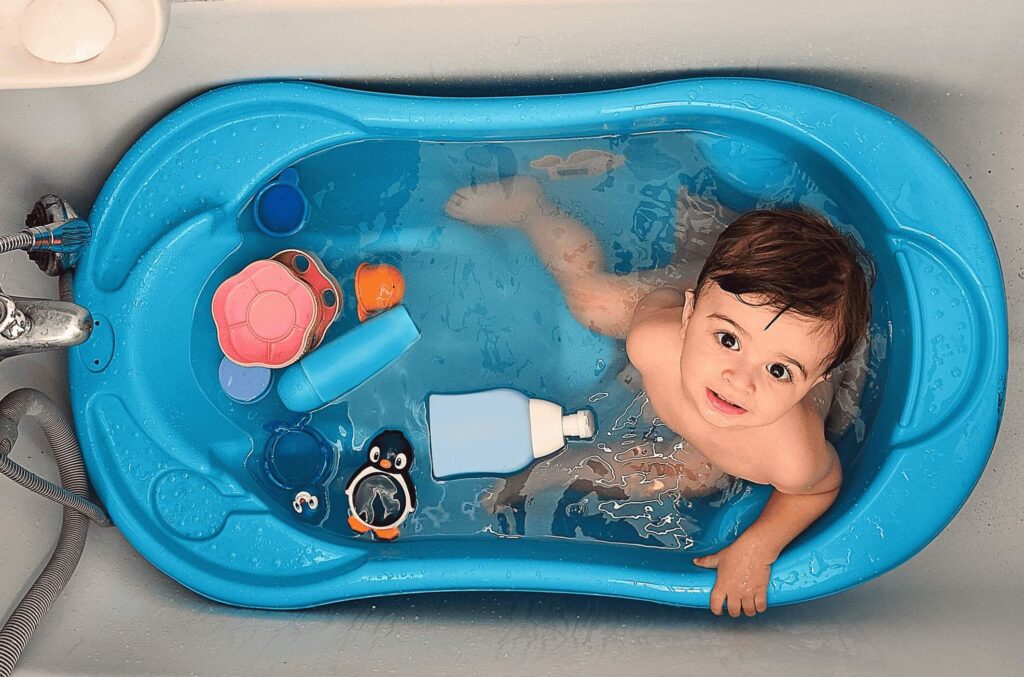
Bottled water for baby baths is becoming a trusted choice for many new parents in the UAE—and for good reason. You’re already using bottled water for formula, sterilizing bottles, and wiping their face, so naturally, the question arises: “Should I also bathe my baby with bottled water?” Especially in the UAE, where tap water often contains high mineral levels, parents frequently wonder: “Is this too harsh for my baby’s sensitive skin?” Why Some UAE Parents Choose Bottled Water for Baby Baths In the Gulf, tap water is classified as hard water—rich in calcium, magnesium, and sometimes chlorine. While perfectly safe for adults, it can leave delicate baby skin feeling dry, tight, or mildly irritated, particularly with frequent baths. That’s why many parents turn to bottled water for baby baths—providing their little ones with the gentlest, cleanest start. Using bottled water isn’t about being extravagant; it’s a thoughtful way to prevent dryness and discomfort, especially for babies prone to sensitive skin, rashes, or eczema. Even if you don’t use bottled water for every bath, having it available during sensitive days offers peace of mind. Parents also appreciate that bottled water typically has fewer impurities and is carefully filtered, reducing the chances of skin irritation from minerals or added chemicals. This small adjustment often results in noticeably softer, smoother skin for your baby. How to Safely Bathe Your Baby Using Bottled Water: 4 Simple Steps 1. Use a Portable Pump for Gentle Pouring Devices like The Gulf Shower easily connect to drinking water gallons, creating a soft, steady stream—perfect for a calm, splash-free baby bath. No need for complicated setups or heavy lifting. Just connect, press, and rinse gently—whether in a small baby tub or over a soft towel. This method also makes bath time easier while traveling or when a full bath setup isn’t convenient. Having control over the water flow ensures your baby stays calm and comfortable throughout. 2. Focus on Key Areas Not every bath needs to be a full soak. On quieter days, a gentle rinse of the face, scalp, hands, and skin folds is often enough to keep your baby fresh and clean. Be sure to gently clean behind the ears, under the chin, and between the folds of their legs and arms—places where moisture, milk, and sweat tend to collect. This prevents irritation and helps keep your baby’s skin healthy and happy. 3. Check Water Temperature, Always Even when using bottled water for baby baths, the right water temperature is crucial. Test the water on your wrist before bathing to ensure it feels comfortably warm, not hot. Babies have highly sensitive skin, and even slightly hot water can cause discomfort or dryness. A lukewarm bath creates a soothing, safe experience your little one will enjoy. 4. Pat Dry & Lock in Moisture After bath time, gently pat your baby dry with a soft, absorbent towel. Avoid rubbing the skin, which can lead to irritation. While the skin is still slightly damp, apply a gentle, fragrance-free baby lotion. This helps lock in moisture and keeps the skin soft and hydrated, especially around commonly dry areas like elbows, knees, and neck folds. You Don’t Need Fancy Routines—Just Thoughtful Ones Using bottled water for baby baths is a simple yet thoughtful way to protect your baby’s sensitive skin. Whether you choose to do it daily or only on days when their skin feels extra delicate, you’re making mindful choices that prioritize their comfort and well-being. Because at the end of the day, bath time isn’t just about getting clean—it’s about creating calm, loving moments that you and your baby will always cherish. If you’re curious about how to build a complete skincare routine for your little one, the Mayo Clinic offers helpful advice on healthy baby skin care that’s worth exploring.